
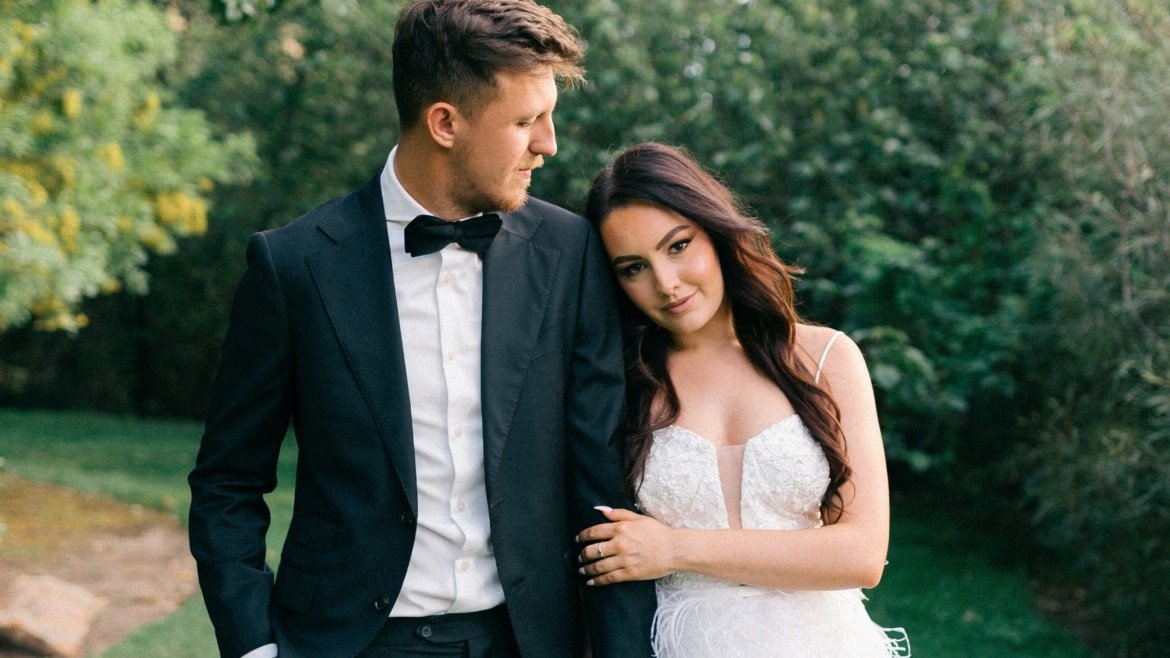
Choosing the right wedding suit is just as crucial as picking the perfect wedding dress. While the bride’s gown often steals the spotlight, tailored wedding suits can make a significant difference in the groom’s confidence and appearance. With a variety of styles available across men’s suits and classic formal wear, selecting the perfect wedding suit can seem daunting. Here’s a guide to help you make the right choice.
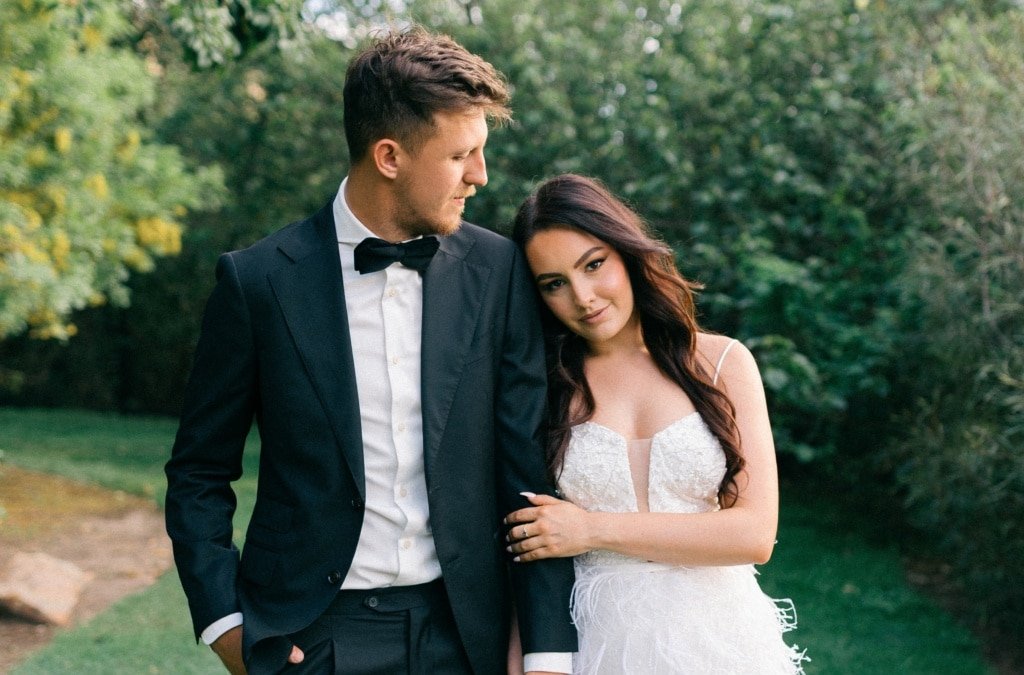
Summary
This guide explains key suit styles (single-breasted, double-breasted, tuxedo) and how to match them to your wedding’s formality and formal wear code. It covers fabric and color choices by season and theme, emphasizes tailoring for ideal fit and personal expression, and suggests tasteful accessories. The aim is a suit that complements the wedding aesthetic while maximizing comfort and confidence.
Before diving into specific styles, it’s essential to understand the basic types of men’s suits available. The three main categories are:
- Single-breasted suits: These are the most common type, featuring a single row of buttons and a narrow overlap of fabric.
- Double-breasted suits: With two parallel rows of buttons and a wider overlap, these suits offer a more formal and traditional look.
- Tuxedos: Tuxedos are typically reserved for evening weddings or black-tie events and often include satin or grosgrain facing on the lapels, a staple of formal wear.
Factors to Consider When Choosing a Suit
When selecting a wedding suit—or comparing wedding suits across brands—consider the following factors:
Formality of the Event
The level of formality of your wedding will significantly influence your choice. For a formal event, a tuxedo or a double-breasted suit might be appropriate as traditional formal wear. For more relaxed settings, a single-breasted suit would suffice.
Fabric Choice

The fabric can affect both the comfort and the appearance of the suit. Wool is a popular choice for its breathability and versatility. For summer weddings, consider lighter fabrics like linen or cotton. Velvet can be a unique choice for winter weddings, adding a touch of luxury.
Color Coordination
While many wedding suits in classic black or navy are timeless and versatile, don’t shy away from exploring other colors. Consider coordinating with the wedding theme or the bridal party. Light gray or beige suits are perfect for summer weddings, while deep greens or burgundies can add warmth to a fall or winter setting.
Personal Style and Fit
One of the most critical aspects of choosing a suit is ensuring it reflects your personal style and fits well. A well-fitted suit not only looks better but also makes you feel more comfortable throughout the day. Consider getting your suit tailored, as this will ensure the perfect fit. Most men’s suits benefit from tailoring, which sharpens the silhouette and elevates the overall look.
Accessories
Accessories can add a personal touch to your wedding attire. Ties, bow ties, pocket squares, and cufflinks can all be used to complement your suit and add a splash of color or pattern. Just be sure these elements enhance, rather than overwhelm, the overall look.
Conclusion
Choosing the perfect wedding suit involves considering the style, fabric, color, and fit. By taking into account the formality of the event, your personal style, and the season, you can select a suit that not only complements the overall wedding aesthetic but also makes you feel your best on your special day. Whether your formal wear tastes lean classic or modern, these guidelines will help you navigate wedding suits with confidence and choose the option that fits you perfectly, both in style and in spirit.
Frequently Asked Questions
Question: Which suit style should I choose: single-breasted, double-breasted, or a tuxedo?
Short answer: Match the style to your wedding’s formality, timing, and formal wear expectations. Single-breasted suits are the most versatile and suit relaxed or semi-formal settings. Double-breasted suits feel more traditional and formal, fitting for upscale ceremonies. Tuxedos are best for evening weddings or black-tie events and typically feature satin or grosgrain lapel facings.
Question: How do I pick the right fabric for the season?
Short answer: Consider comfort and the setting. Wool is a breathable, year-round choice. For warm-weather or outdoor summer weddings, opt for lighter fabrics like linen or cotton. For winter or evening weddings, velvet can add warmth and a luxurious look.
Question: What color should I choose, and how do I coordinate with the wedding theme?
Short answer: Classic black or navy are timeless and work for most formalities. For summer, light gray or beige keeps things fresh and seasonally appropriate. In fall and winter, deeper tones like forest green or burgundy add richness. Coordinate with the wedding palette or bridal party without clashing, so your look complements the overall aesthetic.
Question: How important is tailoring for my wedding suit?
Short answer: It’s essential. A tailored suit elevates both appearance and comfort, helping you feel confident all day. Customizing the fit ensures the suit reflects your personal style and sits properly, which is one of the most critical aspects of looking polished.
Question: How should I accessorize without overdoing it?
Short answer: Choose a few thoughtful pieces—ties or bow ties, pocket squares, and cufflinks—that complement your suit’s color and texture. Use accessories to add a touch of color or pattern, but keep them cohesive so they enhance rather than overwhelm your overall look.